
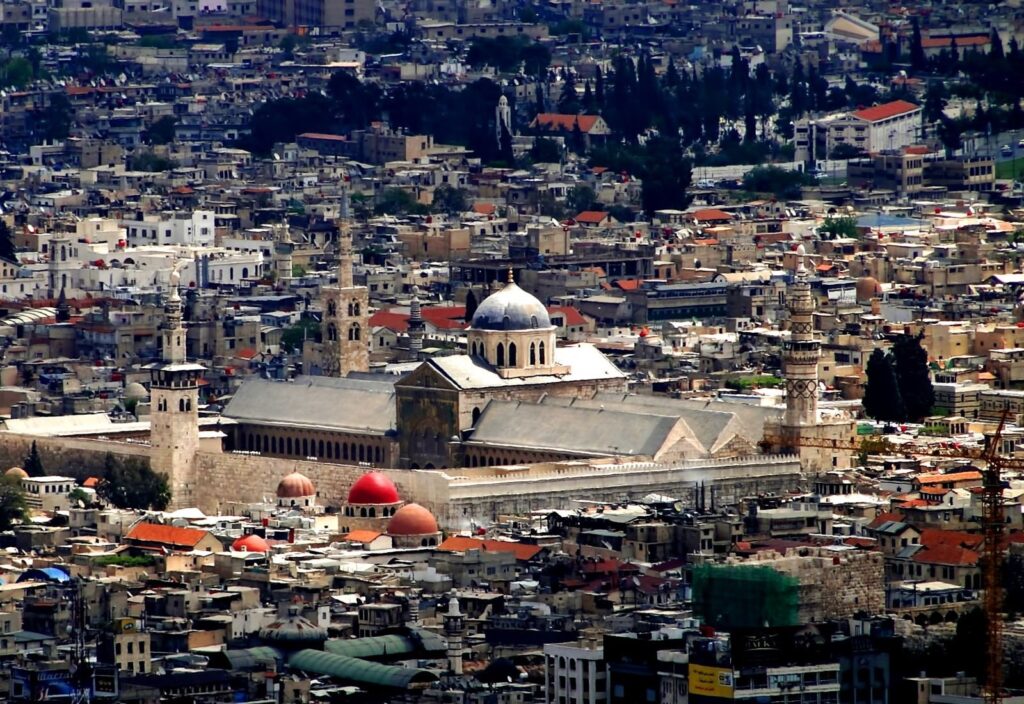
The same destination can feel completely different depending on when you visit—and Syria is no exception.
From spring landscapes covered in wildflowers to warm summer days on the Mediterranean coast, colorful autumn evenings in historic cities, and peaceful winter celebrations in ancient Christian towns, every season reveals a different side of Syria.
Choosing the right time to visit isn’t just about the weather; it’s about matching your trip to the experiences you want to enjoy.
In this guide, you’ll discover the best time to visit Syria, what to expect in each season, and how to choose the ideal time based on your travel style, preferred activities, and the regions you plan to explore.
When Is the Best Time to Visit Syria?
For most travelers, the best time to visit Syria is during spring (April to May) and autumn (October to November).
These months offer the most comfortable temperatures for exploring historic cities, archaeological sites, and outdoor attractions across the country.
The weather is generally mild, the landscapes are at their most beautiful, and sightseeing is far more enjoyable than during the intense summer heat or the cooler, wetter winter months.
However, the ideal time also depends on the type of trip you’re planning.
Summer is the best season for enjoying Syria’s Mediterranean coast and mountain resorts, while winter offers quieter cities, occasional snowfall in the mountains, and festive Christmas celebrations in historic Christian communities.
Because Syria’s climate varies significantly between the coast, mountains, inland cities, and desert regions, choosing the right season can make a noticeable difference to your travel experience.
Here’s what to expect in each season—and which one is the best fit for your travel plans.
Best time to visit Syria by Season
Spring (March to May) – The Best All-Round Season
Spring is widely considered the best time to visit Syria, thanks to its mild temperatures, blooming landscapes, and comfortable conditions for sightseeing.
Historic cities such as Damascus, Aleppo, Busra, and Hama are pleasant to explore on foot, while archaeological sites like Palmyra are far more enjoyable before the summer heat arrives.
The countryside is at its greenest, making this season ideal for photography, hiking, and outdoor excursions.
For most first-time visitors, spring offers the perfect balance of favorable weather and diverse travel experiences.
Summer (June to August) – Best for the Mediterranean Coast
Summer brings long, sunny days and high temperatures across much of inland Syria, particularly in Damascus, Palmyra, and the eastern desert regions.
However, it is the perfect season to enjoy the Mediterranean coast, where cities such as Latakia and Tartus offer refreshing sea breezes, beaches, and waterfront cafés.
Mountain destinations, including Kasab and parts of Wadi al-Nasara, also provide cooler temperatures, making them popular summer escapes.
If you plan to visit inland archaeological sites, early morning and late afternoon are the most comfortable times for sightseeing.
Autumn (September to November) – Ideal for Sightseeing and Photography
Autumn combines pleasant temperatures with fewer crowds, making it another excellent season for exploring Syria.
The summer heat gradually fades, creating comfortable conditions for walking through historic cities, visiting archaeological sites, and enjoying outdoor attractions.
The softer light of autumn is especially appreciated by photographers.
For many travelers, autumn offers the same advantages as spring with a quieter atmosphere.
Winter (December to February) – A Quieter and More Cultural Experience
Winter is the least crowded season to visit Syria and can be an excellent choice for travelers who prefer a slower pace.
While temperatures are cooler and rainfall is more common—especially along the coast—historic cities remain enjoyable to explore with fewer visitors.
Higher elevations may experience snowfall, adding a different character to mountain landscapes.
December is also a memorable time to visit Christian communities, where churches, monasteries, and old quarters are decorated for Christmas and seasonal celebrations.
Best time to visit Syria for Different Travel Experiences
While spring and autumn are generally considered the best time to visit Syria, the ideal time ultimately depends on the type of experience you’re looking for.
Whether you’re planning to explore ancient cities, relax on the Mediterranean coast, attend cultural celebrations, or photograph iconic landscapes, choosing the right season will help you make the most of your trip.
| Travel Experience | Best time to visit Syria | Why Visit Then? |
| Sightseeing & Historic Cities | April–May, October–November | Mild temperatures make walking through historic cities and archaeological sites comfortable. |
| Mediterranean Coast & Beaches | June–September | Warm sea temperatures and sunny weather are ideal for swimming and coastal activities. |
| Desert & Palmyra | March–April, October–November | Pleasant daytime temperatures make exploring the desert far more comfortable. |
| Photography | April–May, October | Soft natural light, blooming landscapes, and comfortable weather create excellent photography conditions. |
| Hiking & Nature | April–June, September–October | Mild weather and greener landscapes are perfect for outdoor activities and mountain trails. |
| Christian Festivals & Pilgrimages | August–September, December | Several of Syria’s best-known Christian celebrations take place during these months. |
| Food & Cultural Experiences | Spring & Autumn | Comfortable weather makes it easier to enjoy outdoor cafés, souqs, restaurants, and cultural activities. |
| Budget & Low-Season Travel | December–February | Fewer visitors and a quieter atmosphere, except during Christmas and New Year holidays. |
Climate by Region
Although Syria is not a large country, its geography creates surprising climatic diversity.
The Mediterranean coast enjoys a mild maritime climate, the inland cities experience hot, dry summers and cooler winters, the mountains remain noticeably cooler throughout the year, while the eastern desert is characterized by extreme temperatures between seasons.
Understanding these regional differences can help you choose the best time to visit each destination and plan a more comfortable itinerary.
| Region | Climate | Best Months for Travel |
| Mediterranean Coast (Latakia, Tartus, Arwad) | Mild winters, warm and humid summers. | May–September |
| Historic Inland Cities (Damascus, Aleppo, Hama, Homs, Bosra) | Hot, dry summers and cool winters. | April–May, October–November |
| Mountains & Highlands (Maaloula, Saidnaya, Wadi al-Nasara, Kasab) | Cooler temperatures year-round, with cold winters and occasional snowfall at higher elevations. | May–June, September–October |
| Desert & Steppe (Palmyra, Deir ez-Zor, eastern Syria) | Very hot summers, cool winters, and significant temperature differences between day and night. | March–April, October–November |
Aramya’s Travel Tips
To make the most of your trip to Syria, keep these practical tips in mind when planning your visit:
- Plan your itinerary around the season. Spring and autumn are ideal for exploring historic cities and archaeological sites, while summer is better suited to the Mediterranean coast and mountain destinations.
- Start sightseeing early in summer. If you’re visiting inland cities or desert sites such as Palmyra during the warmer months, plan outdoor activities in the early morning or late afternoon to avoid the midday heat.
- Pack for changing temperatures. Syria’s climate varies considerably between regions. A light jacket is useful during spring and autumn evenings, while warmer clothing is recommended for winter visits to the mountains.
- Check festival dates before you travel. Religious celebrations and cultural events can be wonderful experiences, but their dates may vary each year depending on the religious calendar or local arrangements.
- Wear comfortable walking shoes. Many of Syria’s historic cities feature cobbled streets, uneven pathways, and large archaeological sites that are best explored on foot.
- Stay hydrated during warmer months. Summers can be very hot, especially in inland and desert regions, so carrying water and protecting yourself from the sun is essential.
- Allow flexibility in your itinerary. Weather conditions and opening hours may vary by region and season, so leaving some room for adjustments will help you enjoy a smoother and more relaxed journey.
Final Thoughts
There’s no single best time to visit syria—it all depends on the experiences you’re looking for.
Whether you choose the colorful landscapes of spring, the lively Mediterranean coast in summer, the comfortable days of autumn, or the peaceful atmosphere of winter, each season offers a different perspective on the country’s history, culture, and natural beauty.
Not sure when to visit Syria? Let Aramya help you choose the perfect season and create a tailor-made itinerary based on your interests, preferred weather, and the experiences you don’t want to miss.