
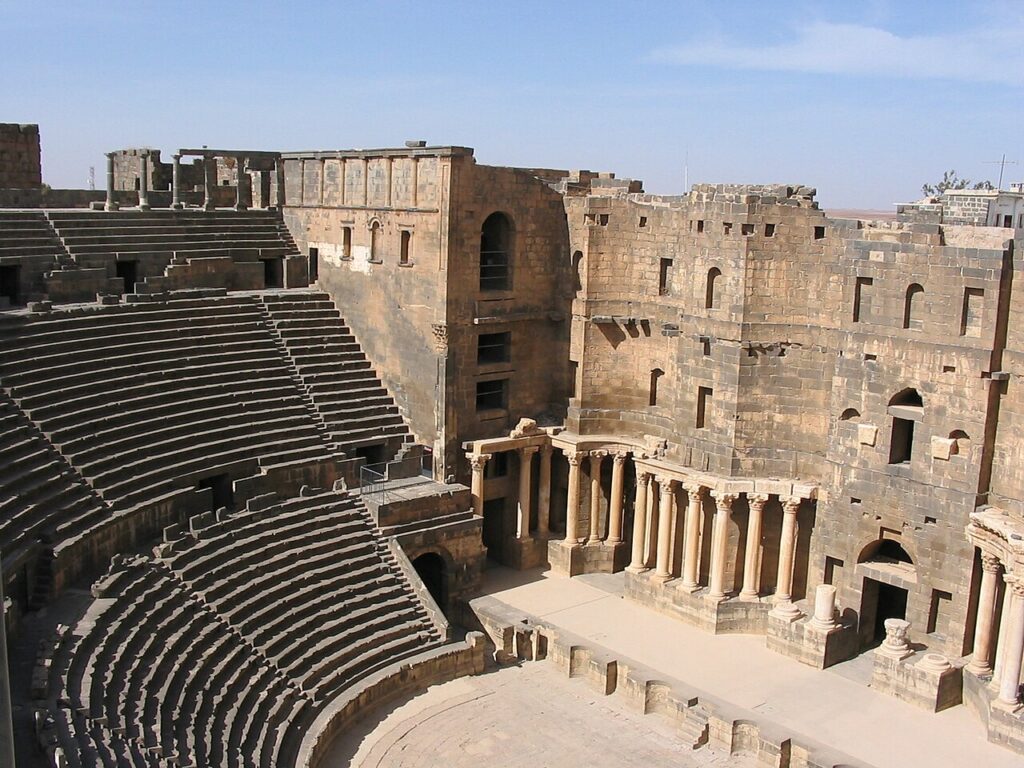
The best memories aren’t made by simply checking landmarks off a list—they’re created through the experiences you live along the way.
Syria is a destination where every journey becomes more meaningful through its people, traditions, and everyday moments.
Beyond its UNESCO World Heritage Sites and world-famous archaeological treasures, the country invites travelers to wander through centuries-old souqs, savor authentic regional cuisine, relax in traditional hammams, meet local artisans, explore ancient caravanserais, and celebrate festivals that have brought communities together for generations.
This guide brings together the best things to do in Syria—not just the places to visit, but the authentic experiences that reveal the country’s rich history, diverse culture, and warm hospitality.
Whether you’re planning your first trip or returning to discover more, these unforgettable experiences will help you see Syria from a completely different perspective.
1- Wander Through Historic Souqs
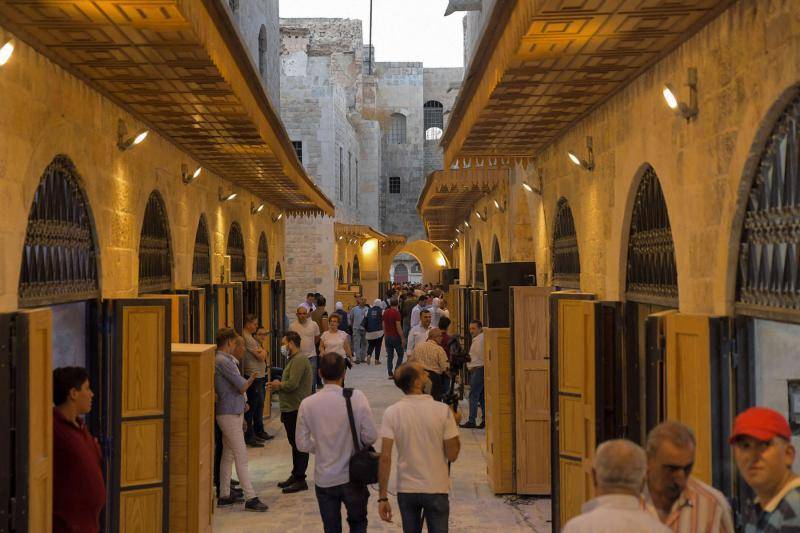
There’s no better way to experience the rhythm of everyday life in Syria than by wandering through its historic souqs.
For centuries, these bustling marketplaces have been the heart of commerce, craftsmanship, and social life, where merchants, artisans, and travelers from across the world once exchanged goods, stories, and cultures.
Today, visitors can still stroll through narrow covered alleys filled with the scent of spices, the sound of coppersmiths at work, colorful displays of textiles and sweets, and workshops where traditional crafts continue to be practiced.
More than shopping destinations, Syria’s historic souqs offer an immersive journey into the country’s living heritage and remain one of the most authentic experiences any traveler can enjoy.
| Historic Souq | Location | What Makes It Special |
| Al-Hamidiyah Souq | Damascus | The largest and most famous historic souq in Syria, stretching from the Citadel to the Umayyad Mosque and renowned for its vibrant atmosphere and traditional shops. |
| Medhat Basha Souq | Damascus | Follows part of the ancient Roman Straight Street and is renowned for its traditional crafts, historic buildings, and authentic local atmosphere. |
| Souqs of Aleppo | Aleppo | One of the world’s largest historic covered market networks, celebrated for its rich trading heritage, traditional crafts, and UNESCO-listed setting. |
2- Stay in a Traditional Damascene House
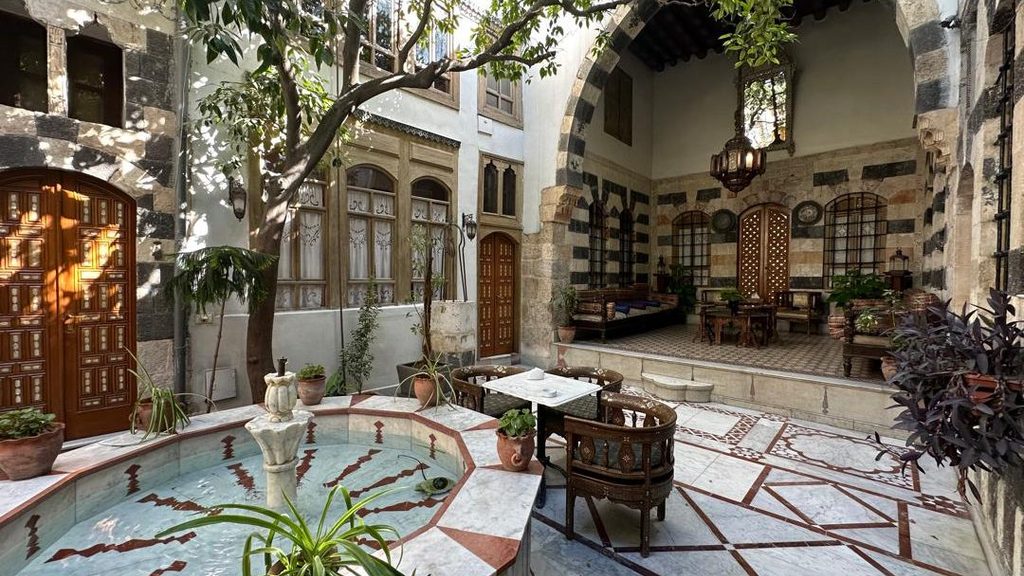
One of the most memorable ways to experience Damascus is to spend a night in one of its beautifully restored traditional courtyard houses.
Far more than a place to sleep, these historic homes offer a glimpse into the city’s architectural heritage and way of life that hotels simply cannot replicate.
Hidden behind modest stone façades, they open onto tranquil courtyards adorned with fountains, citrus trees, jasmine, and intricate black-and-white stonework.
Many have been carefully converted into boutique hotels while preserving their original character, allowing visitors to experience the elegance and hospitality of a traditional Damascene home in the heart of the Old City.
| Traditional House | City | What Makes It Special |
| Beit al-Mamlouka | Damascus | A restored 17th-century Damascene courtyard house that combines traditional architecture with boutique hospitality in the heart of the Old City. |
| Talisman Hotel | Damascus | A beautifully restored historic residence featuring authentic Damascene interiors, ornate wooden ceilings, and a peaceful central courtyard. |
| Beit Zafran Hotel de Charme | Damascus | A carefully restored heritage house offering an intimate stay within walking distance of the city’s major historic landmarks. |
3- Taste Authentic Syrian Cuisine
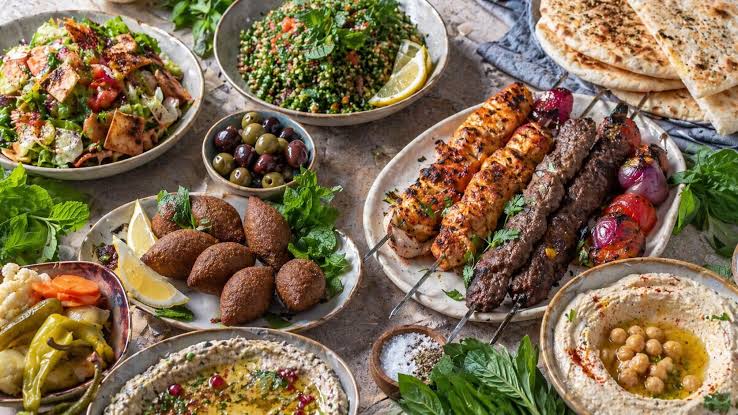
No visit to Syria is complete without experiencing its rich and diverse culinary traditions.
Shaped by centuries of cultural exchange and regional influences, Syrian cuisine is celebrated for its fresh ingredients, aromatic spices, and recipes that have been passed down through generations.
Whether you’re enjoying a leisurely breakfast in a traditional courtyard, sharing a selection of mezze with friends, or discovering regional specialties in family-run restaurants, every meal offers a deeper connection to the country’s history, hospitality, and way of life.
From the bold flavors of Aleppo to the refined dishes of Damascus and the hearty cuisine of Homs and Hama, tasting authentic Syrian food is an experience that goes far beyond dining.
| Cuisine | Signature Dishes & Specialties |
| Aleppine Cuisine | Muhammara, Kabab Karaz, Kibbeh Safarjaliyyeh, Kibbeh Summaqiyyeh, and the city’s remarkable variety of kibbeh dishes. |
| Damascene Cuisine | Shakriyyeh, Yabraq, Kibbeh Labaniyyeh, Basmashkat, and traditional Damascene breakfasts. |
| Homs & Hama Cuisine | Batarsh, Halawet al-Jibn, Grilled Kibbeh, and hearty central Syrian home cooking. |
| Daraa & As-Suwayda Cuisine | Mlihi (Daraa) and Mlihiyyeh (As-Suwayda), alongside traditional Bulgur-based dishes and the region’s renowned hospitality. |
| Coastal Cuisine (Tartus & Latakia) | Sayadieh, Samkeh Harra, freshly grilled seafood, octopus, and Mediterranean mezze prepared with local olive oil and citrus. |
| Jazira Cuisine (Al-Hasakah, Raqqa & Deir ez-Zor) | Kubbat al-Jazira (boiled kibbeh), Qaliyyeh, Harees (Harisa), Thareed, Kital/Kubbat (boiled bulgur dumplings), and wheat- and dairy-based dishes that reflect the agricultural heritage of the Euphrates and Jazira regions. |
4- Experience a Traditional Syrian Hammam
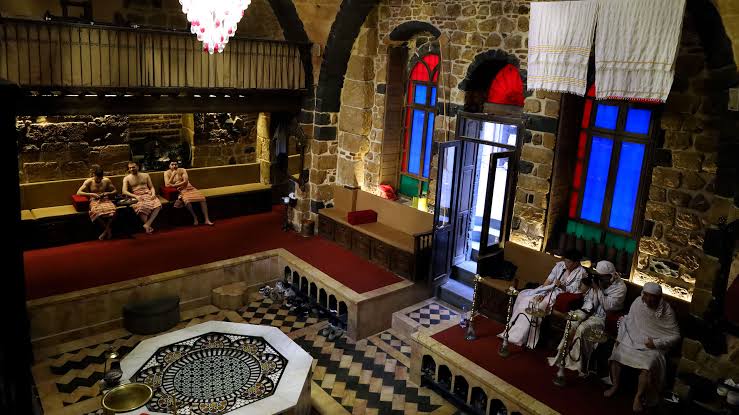
Stepping into a traditional Syrian hammam is like stepping back in time.
For centuries, public bathhouses have been an important part of daily life, serving not only as places for bathing but also as social spaces where generations gathered to relax, celebrate special occasions, and preserve long-standing traditions.
A typical visit begins in a warm reception hall before moving through progressively hotter steam rooms, followed by a traditional body scrub and a period of relaxation.
Whether you’re seeking an authentic cultural experience or simply a moment of tranquility after exploring Syria’s historic cities, visiting a traditional hammam offers a fascinating glimpse into one of the country’s oldest living traditions.
| Traditional Hammam | City | What Makes It Special |
| Hammam Nur al-Din | Damascus | One of the world’s oldest continuously operating bathhouses, offering the full traditional Syrian hammam ritual—including steam, scrubbing, massage, and relaxation—in a beautifully preserved 12th-century setting. |
| Hammam al-Malik al-Zahir | Damascus | A historic bathhouse dating back to the 10th century that continues to welcome visitors for an authentic Syrian hammam experience, complete with steam rooms and traditional bathing rituals. |
| Al-Nahhasin Hammam | Aleppo | A beautifully restored medieval hammam that reopened after extensive restoration and once again offers visitors a complete traditional bathing experience in the heart of Aleppo’s historic souqs. |
5- Watch the Sunset over Ancient Palmyra
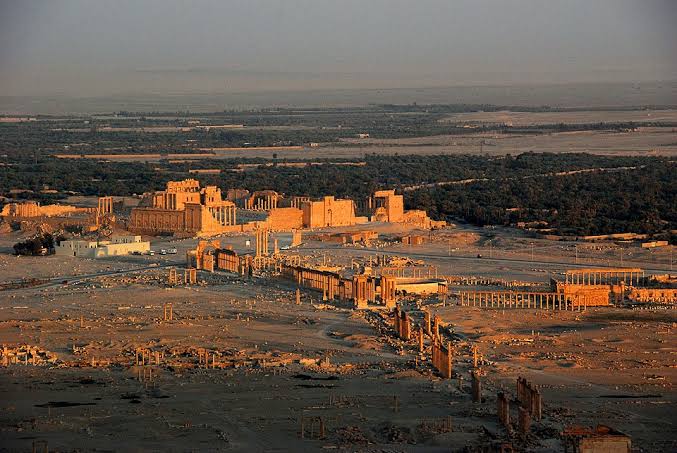
As the desert sun begins to set, Palmyra transforms into one of Syria’s most breathtaking landscapes.
The warm evening light bathes the city’s monumental colonnades, temples, and ancient stonework in shades of gold and amber, creating an unforgettable atmosphere that has inspired travelers for generations.
Whether you stroll along the Great Colonnade as the light softens across the ruins or admire the panoramic view from Fakhr al-Din al-Ma’ani Castle, watching the sunset over this UNESCO World Heritage Site is one of the most memorable experiences Syria has to offer.
The silence of the surrounding desert and the changing colors of the ancient city combine to create a moment that is as moving as it is beautiful.
6- Shop for Traditional Syrian Crafts
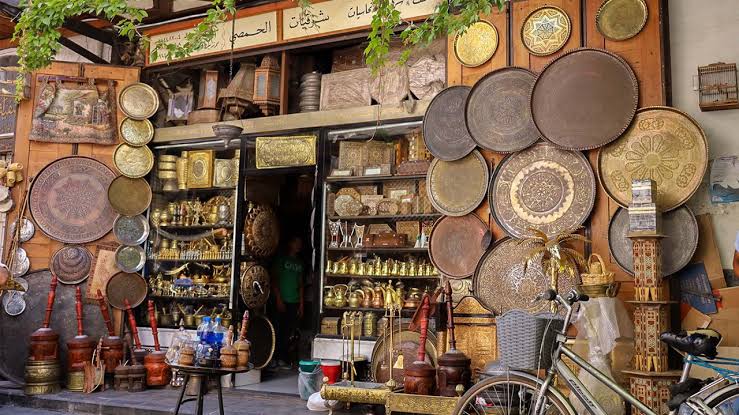
Bringing home a handcrafted souvenir is one of the most meaningful ways to remember a journey through Syria.
Across the country’s historic markets and artisan workshops, centuries-old crafts continue to be practiced using techniques passed down from one generation to the next.
Rather than mass-produced souvenirs, visitors can discover handmade creations that reflect Syria’s rich artistic heritage—from intricate wood inlay and hand-blown glass to engraved copperware, Damascene textiles, and traditional olive oil soap.
Shopping for authentic Syrian handicrafts is more than a chance to buy a keepsake; it is an opportunity to support local artisans while taking home a piece of the country’s living cultural heritage.
7- Meet Local Artisans
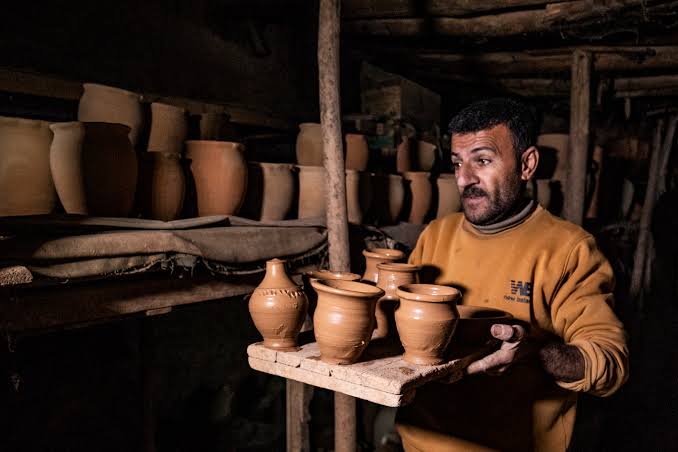
Beyond Syria’s historic landmarks and bustling markets lies another unforgettable experience: meeting the skilled artisans who continue to preserve the country’s centuries-old crafts.
Step inside a traditional workshop and you’ll often find techniques that have changed very little over generations, where every piece is shaped, carved, engraved, or woven entirely by hand.
Watching a craftsman carefully inlay mother-of-pearl into wood, engrave intricate patterns onto copper, blow molten glass into elegant forms, or weave Damascus brocade on a traditional loom offers a deeper appreciation of the dedication, patience, and artistry behind Syria’s rich cultural heritage.
These encounters transform a simple souvenir into a meaningful story—one created by the hands of people keeping ancient traditions alive.
8- Experience Syrian Hospitality
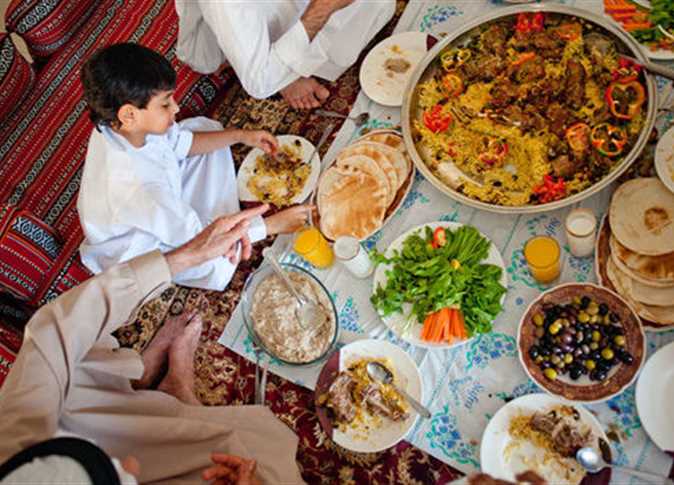
One of the most memorable parts of traveling through Syria isn’t found in its monuments or museums—it’s in the warmth of its people.
Hospitality has long been an integral part of Syrian culture, and visitors often notice it in the simplest moments: being welcomed with a cup of Arabic coffee or tea, sharing conversations with shopkeepers, receiving recommendations from local guides, or being invited to sample homemade food in a family-run restaurant.
Rather than feeling like a visitor passing through, many travelers find themselves engaging in genuine conversations that offer a deeper understanding of Syrian life, traditions, and everyday culture.
These personal connections often become the memories people cherish long after their journey has ended.
9- Walk Through Living Old Cities
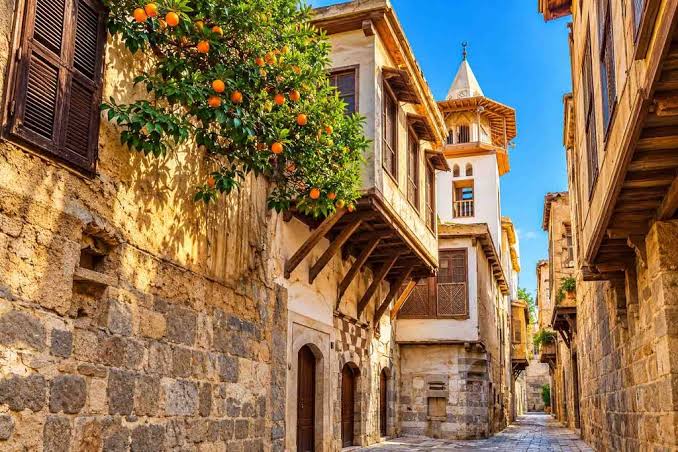
Unlike many historic cities around the world that have become open-air museums, Syria’s old cities remain vibrant places where history is woven into everyday life.
As you wander through their narrow alleys, you’ll pass centuries-old houses, bustling markets, neighborhood bakeries, small workshops, and cafés where locals gather just as they have for generations.
The sound of church bells may blend with the call to prayer, while the scent of freshly baked bread drifts through streets lined with ancient stone buildings.
Rather than simply admiring historic architecture, walking through Syria’s old cities offers the rare opportunity to experience living communities where cultural traditions, daily routines, and architectural heritage continue to exist side by side.
Among the most rewarding places for this experience are:
- The Old City of Damascus, one of the world’s oldest continuously inhabited cities
- The Old City of Aleppo, with its network of historic streets and markets
- Old Busra, where everyday life unfolds alongside remarkably preserved Roman and Islamic monuments.
10- Explore Ancient Caravanserais
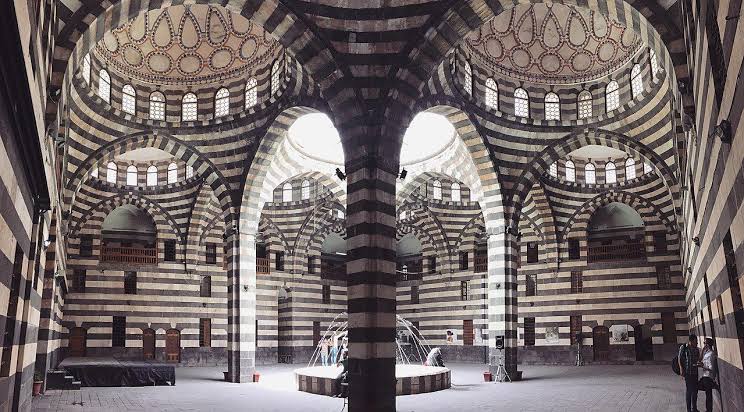
Long before modern hotels existed, travelers crossing Syria’s great trade routes found shelter in magnificent caravanserais, known locally as khans.
These impressive buildings welcomed merchants, pilgrims, and caravans arriving from across Asia, Europe, and the Middle East, offering secure accommodation, storage for valuable goods, and space for trade and social exchange.
Walking through their spacious courtyards today offers a fascinating glimpse into the world of the Silk Road, where countless journeys began, ended, or paused before continuing across continents.
More than historic buildings, Syria’s khans tell the story of a country that stood at the crossroads of civilizations for centuries.
| Historic Caravanserai | City | What Makes It Special |
| Khan As’ad Pasha Al-Azem | Damascus | The largest and finest Ottoman caravanserai in Damascus, famous for its magnificent central courtyard and elegant domed halls. |
| Al Wazir Caravanserai | Aleppo | One of Aleppo’s best-preserved Ottoman caravanserais, historically serving merchants trading in the city’s famous souqs. |
| Khan Rustam Pasha | Hama | A well-preserved Ottoman khan that reflects Hama’s historic role as a commercial stop between Syria’s major cities. |
11- Enjoy the Mediterranean Coast

Syria’s Mediterranean coast offers a refreshing contrast to the country’s ancient cities and desert landscapes.
Stretching from the sandy beaches of Latakia to the historic waterfront of Tartus, the coastline invites visitors to slow down and enjoy a different side of Syria.
Spend the day swimming in the clear waters of the Mediterranean, savor freshly caught seafood at seaside restaurants, stroll along lively corniches at sunset, or take a boat trip to the island of Arwad—the country’s only inhabited island.
For those seeking nature, nearby destinations such as Kesab combine forested mountains with coastal scenery, creating some of Syria’s most beautiful landscapes.
Whether you’re looking to relax by the sea or explore charming coastal towns, the Mediterranean coast offers one of the country’s most enjoyable travel experiences.
12- Photograph Syria’s Historic Architecture
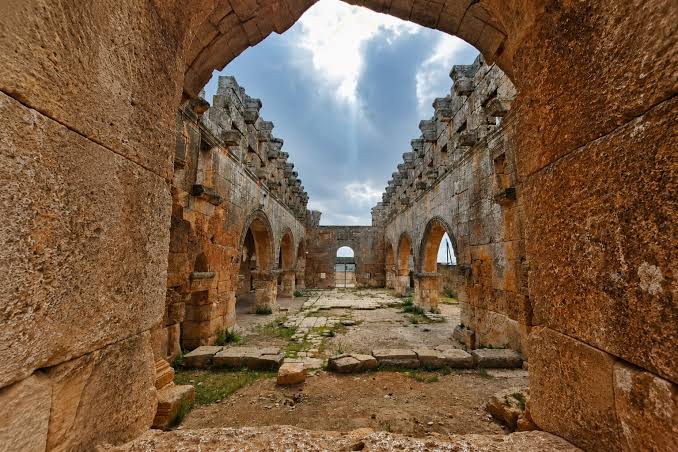
For photography enthusiasts, Syria offers an extraordinary collection of architectural styles shaped by thousands of years of history.
Every destination reveals new details to capture—from the elegant courtyards and black-and-white stone façades of traditional Damascene houses to the monumental Roman theatre of Bosra, the soaring arches of the Umayyad Mosque, the medieval fortifications of Crac des Chevaliers, and the golden limestone columns of Palmyra.
Beyond the famous landmarks, some of the most rewarding photographs are often found in quiet alleyways, historic doorways, artisan workshops, and bustling souqs, where architecture and everyday life blend seamlessly together.
Whether you’re using a professional camera or simply your smartphone, Syria offers endless opportunities to document a journey through one of the world’s richest architectural landscapes.
13- Spend a Night at Deir Mar Musa
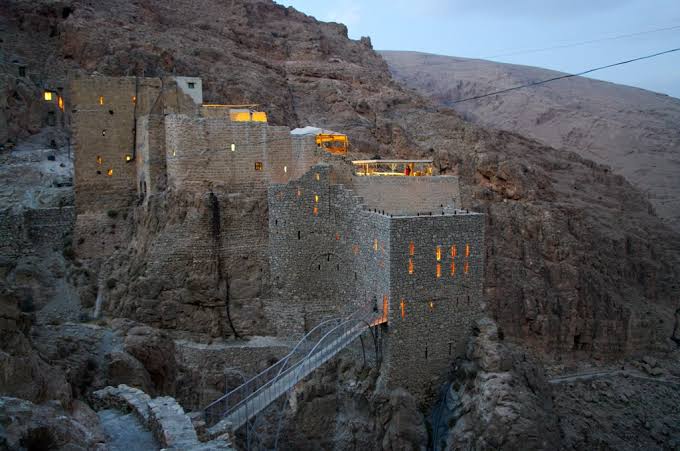
For travelers seeking a deeper connection with Syria beyond its historic landmarks, spending a night at Deir Mar Musa al-Habashi is an experience unlike any other.
Perched high on a mountainside in the Qalamoun range, the monastery welcomes visitors who wish to slow down, disconnect from the outside world, and share in the peaceful rhythm of monastic life.
Guests can stay in simple accommodation, enjoy communal meals, take part in moments of silence or prayer if they wish, and wake to panoramic views of the surrounding desert landscape.
Reaching the monastery requires a short uphill walk, but the reward is an unforgettable experience that combines history, spirituality, nature, and genuine hospitality in one of Syria’s most extraordinary settings.
Visitors planning an overnight stay are encouraged to contact the monastery in advance, as accommodation is simple and availability may vary throughout the year.
14- Experience Syria’s Christian Celebrations
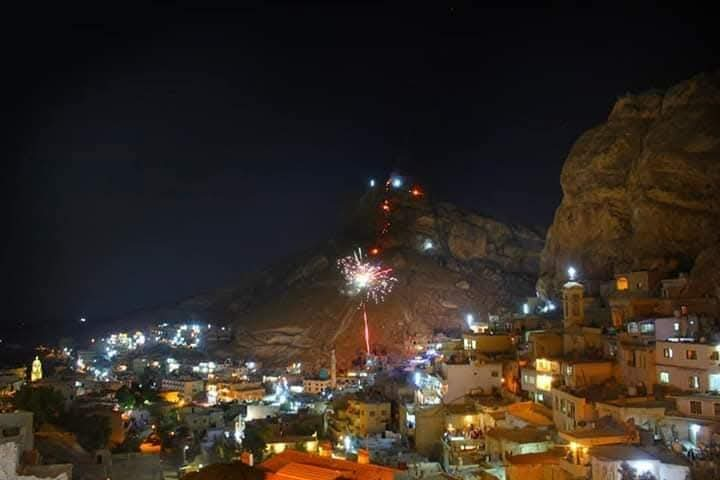
Visiting Syria during one of its major Christian celebrations offers a unique opportunity to experience centuries-old traditions that continue to bring communities together today.
Throughout the year, churches, monasteries, and historic Christian towns host religious services, candlelit ceremonies, processions, and community gatherings that reflect the country’s deep Christian roots.
While the exact program may vary from year to year, these celebrations allow visitors to witness living traditions in some of Christianity’s oldest communities.
Travelers are welcome to attend many public events, provided they dress modestly and respect local customs and religious practices.
| Festival or Celebration | When | Where to Experience It |
| Christmas | 25 December | Damascus (Bab Touma & Bab Sharqi), Aleppo, Homs, Latakia. |
| Palm Sunday & Easter | March or April (dates vary each year and by church calendar) | Major churches in Damascus, Aleppo, Homs, Latakia, and Christian communities across Syria. |
| Feast of the Dormition (Assumption) of the Virgin Mary – Marmarita Carnival | 14–15 August | Marmarita where one of Syria’s largest Christian celebrations traditionally features a vibrant carnival, parades, concerts, cultural performances, and festive gatherings. |
| Feast of the Holy Cross | 13-14 September | Maaloula where hilltop bonfires, religious processions, and evening celebrations commemorate one of Syria’s best-known Christian feasts. |
| Feast of Saint George | 6 May | Saint George Monastery, Al-Mishtaya – Wadi al-Nasara, one of Syria’s largest Christian pilgrimages, featuring Divine Liturgies, pilgrim gatherings, and traditional celebrations around the monastery. |
Final Thoughts
The best way to discover Syria is not simply by visiting its famous landmarks, but by experiencing the moments that bring its history and culture to life.
Wander through centuries-old souqs, share traditional meals, meet local artisans, watch the sunset over ancient ruins, and take part in celebrations that have united communities for generations.
These authentic experiences reveal the true character of Syria and create memories that last far beyond the journey itself.
Ready to experience Syria beyond the guidebooks? Contact Aramya to plan a tailor-made journey and discover the country’s most remarkable places, authentic experiences, and timeless stories with the guidance of local experts.